

Not All Probiotics Are Created Equal
Walk down any supplement aisle and you’ll see it, rows of probiotic bottles promising everything from “better digestion” to “perfect immunity.”
It’s confusing.
And here’s the truth: most people pick probiotics like they pick a Netflix show whichever label looks nice.
But not all probiotics do the same thing.
Some specialize in fixing bloating and irregular bowels. Others help your immune system chill out. A few even help balance mood and focus (yes, your gut actually talks to your brain).
The problem? If you’re taking the wrong strain for the wrong reason, you might not notice a thing.
That’s why understanding what probiotics actually do and which strains have solid research behind them is key to getting results.
So instead of grabbing the flashiest bottle next time, here’s a simple breakdown of the top 5 proven uses for probiotics and the strains that actually do the work.
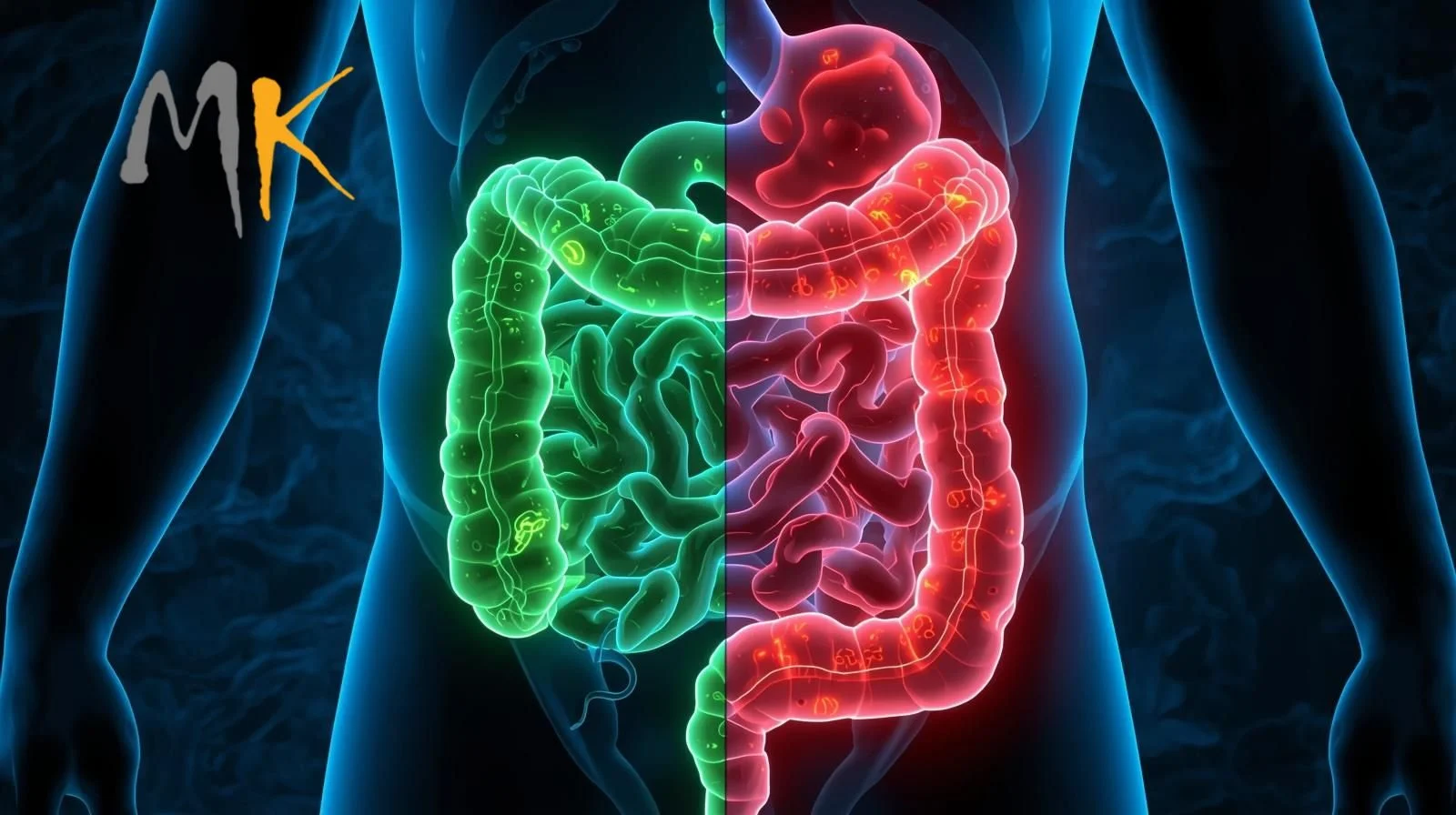
Gut & Digestive Health: The Foundation
When digestion goes off the rails, you feel it: bloating, gas, irregular bowels, or that post-meal pressure that makes jeans an enemy.
Why it matters:
Your gut bacteria help digest fiber, reduce gas, and maintain a strong intestinal wall (your “gut barrier”). When bad bacteria take over, that wall gets leaky and inflammation follows.
Lactobacillus acidophilus
Bifidobacterium lactis
Saccharomyces boulardii
Where to start:
Try a formula like UltraFlora IB or UltraFlora Balance both support digestion and regularity.
2. Immune Support: Your Gut’s Hidden Defense System
About 70% of your immune system lives in your gut it’s your body’s first line of defense.
Why it matters:
Balanced bacteria help “train” your immune system to react appropriately, rather than attacking everything in sight (hello allergies and inflammation).
Best strains:
Lactobacillus rhamnosus GG
Bifidobacterium lactis BB-12
Try this:
UltraFlora Restore or UltraFlora Spectrum for full-system immune reinforcement.
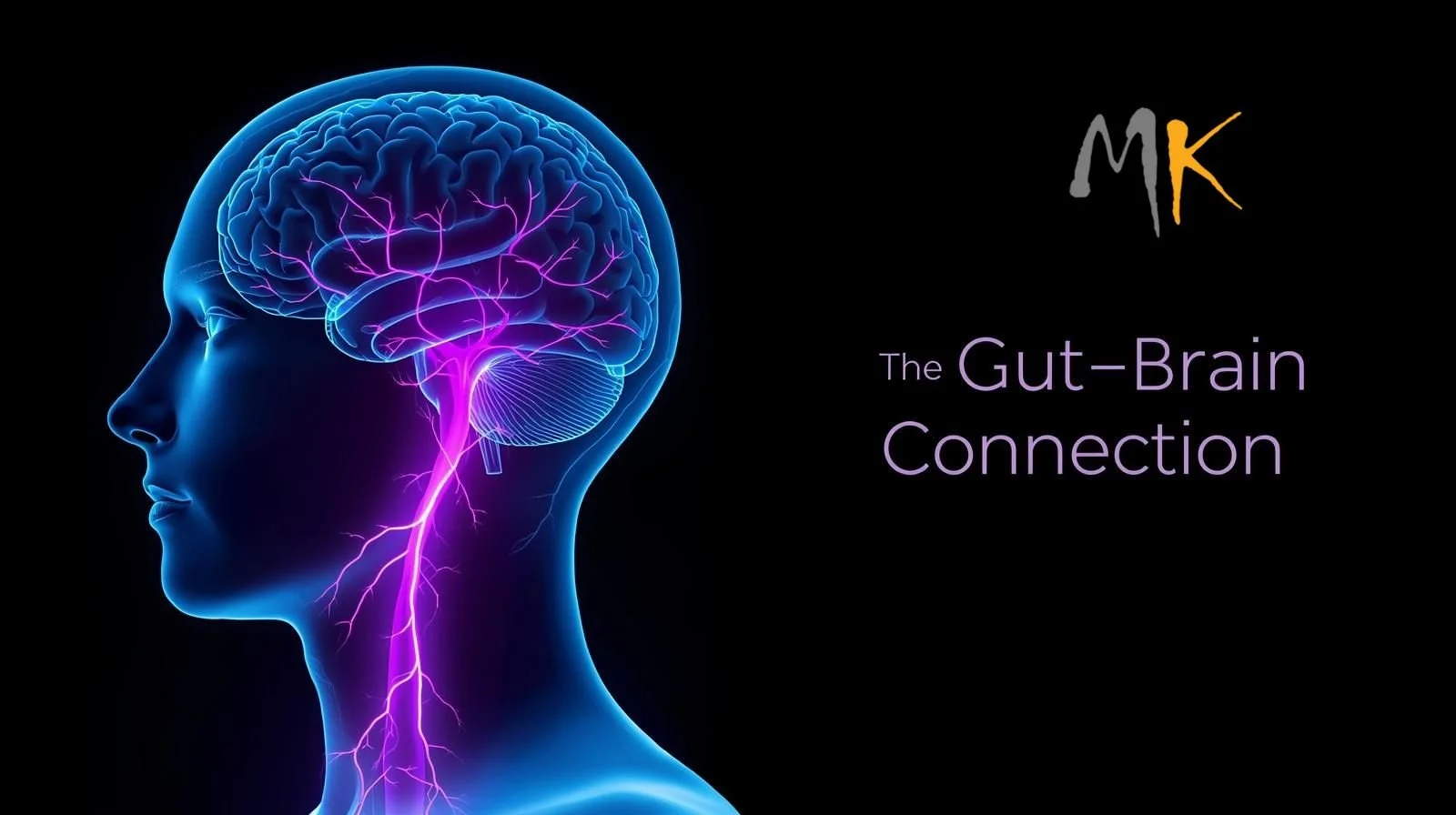
3. Mood, Stress & Brain Function: The Gut–Brain Axis
Your gut and brain are constantly chatting through the vagus nerve like a two-way radio system. When your gut’s inflamed or imbalanced, your brain gets the memo (in the form of irritability, brain fog, or low mood).
Why it matters:
Some probiotic strains called psychobiotics , produce neurotransmitters like serotonin and GABA, helping regulate mood and stress.
Bifidobacterium longum 1714
Lactobacillus helveticus R0052
Pair it with:
A broad probiotic such as UltraFlora Balance, plus magnesium or L-theanine for stress modulation.
4. Women’s Health: Vaginal & Urinary Balance
The vaginal microbiome is delicate stress, antibiotics, or hormonal shifts can disrupt it easily.
Why it matters:
The right probiotic strains keep vaginal pH healthy, reduce infections, and support urinary tract balance.
Lactobacillus reuteri RC-14
Lactobacillus rhamnosus GR-1
Your go-to:
UltraFlora Women’s — clinically backed to restore healthy flora balance.

5. Skin Health: Healing from the Inside Out
Your skin reflects what’s happening inside your gut a concept known as the gut–skin axis.
Why it matters:
Gut inflammation drives systemic inflammation, which shows up as redness, acne, eczema, or rosacea. Calming the gut microbiome can reduce those flare-ups naturally.
Lactobacillus rhamnosus GG
Bifidobacterium longum
Suggested support:
UltraFlora Spectrum or UltraFlora Balance, plus anti-inflammatory foods (fish, turmeric, greens).

So, What Does All This Mean for You?
If your takeaway from all this is that probiotics are complicated you’re right… and also not.
Because once you understand that different strains do different jobs, the whole picture gets clearer.
You wouldn’t take the same supplement for joint pain and stress relief so why would you expect one random probiotic to fix everything from bloating to brain fog?
The truth is, your microbiome is as unique as your fingerprint.
The key is matching the right bacteria to your symptoms and that’s where the real magic happens.
When the right probiotic meets the right person, digestion smooths out, mood lifts, energy stabilizes, and even the skin starts to glow again.
Still Have Questions? Let’s Clear Them Up.
Before you dive into a supplement routine, it helps to understand what’s normal, what’s not, and what results to expect.
How long do probiotics take to work?
Most people notice changes in digestion within 2–4 weeks. Skin and mood benefits can take 6–8 weeks.
Are all probiotics the same?
Not even close. Each strain has different properties which is why reading the label matters more than the CFU count.
Should I take them with or without food?
Generally with food, especially meals containing healthy fat it helps survival through stomach acid.
Can I get enough probiotics from food alone?
Fermented foods are helpful, but supplements offer precise strains at therapeutic doses.
More answers to the most commonly asked probiotic questions are found on my Probiotic FAQ Page
Bringing It All Together
Probiotics aren’t one-size-fits-all. The best results come when you match the right strain to your symptoms.
That’s exactly what my Probiotic Finder Guide helps you do in just a few minutes, you can find which formula fits your needs and start restoring your gut balance.
And if your symptoms are complex IBS, chronic fatigue, hormone changes, let’s chat.
Book a free discovery call at markkibyuk.com for personalized guidance.
For educational purposes only, not medical advice. Always consult a physician before starting any new supplementation.
