

Bloating, fatigue, anxiety, brain fog? Your gut may be the reason
If you feel bloated, tired, foggy, anxious, or uncomfortable after eating, there’s a good chance your gut health is playing a role.
Most people think gut health only affects digestion.
In reality, your gut impacts energy, mood, immunity, hormones, and skin.
And when it’s struggling, your body sends signals, every day.
The problem?
Most people don’t know what those signals mean.
What Is Gut Health (and Why It Matters So Much)?
Gut health refers to how well your digestive system:
Breaks down food
Absorbs nutrients
Maintains healthy gut bacteria
Protects the gut lining
When your gut is healthy, your body runs smoothly.
When it’s not, symptoms show up often outside the gut.
Common Gut Health Symptoms People Overlook
Many of these symptoms are commonly linked to poor gut health:
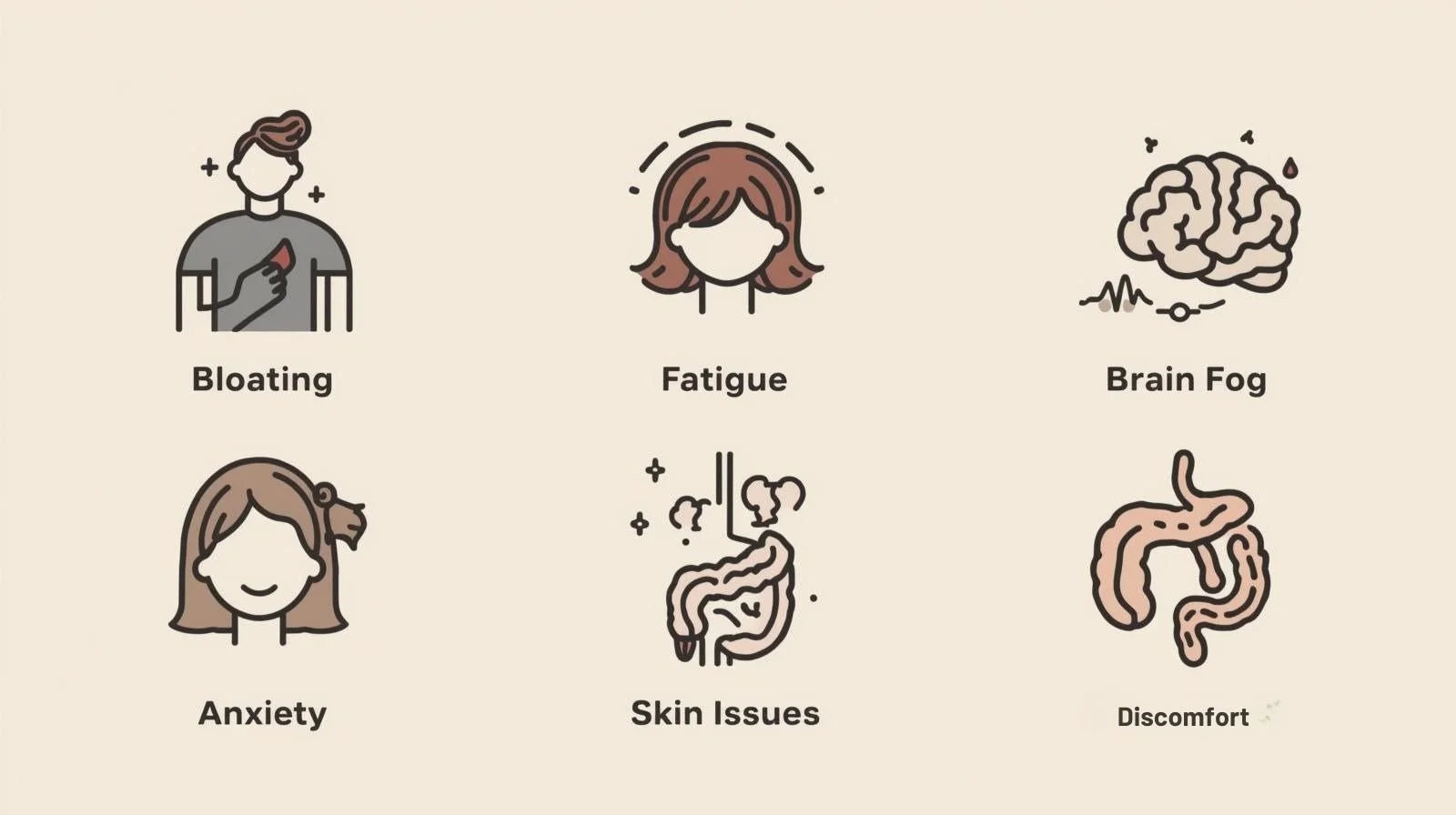
Bloating or gas
Feeling overly full after meals
Acid reflux or frequent burping
Constipation or loose stools
Fatigue after eating
Brain fog or trouble concentrating
Anxiety or low mood
Skin issues (acne, eczema, rashes)
Sugar cravings or energy crashes
If these are happening regularly, they are not random.
They are signs your gut needs support.
Why Bloating and Digestive Issues Happen
Bloating is one of the most searched gut symptoms and one of the most misunderstood.
It often happens because:
Food isn’t being broken down properly
Digestive enzymes are low
Stomach acid is weak
Gut bacteria are out of balance
This causes fermentation in the gut, gas production, and discomfort.
Cutting foods alone doesn’t fix this.
Supporting digestion does.
The Gut–Brain Connection (Why Anxiety and Brain Fog Show Up)
Your gut and brain are directly connected through the nervous system.
When the gut is inflamed or imbalanced:
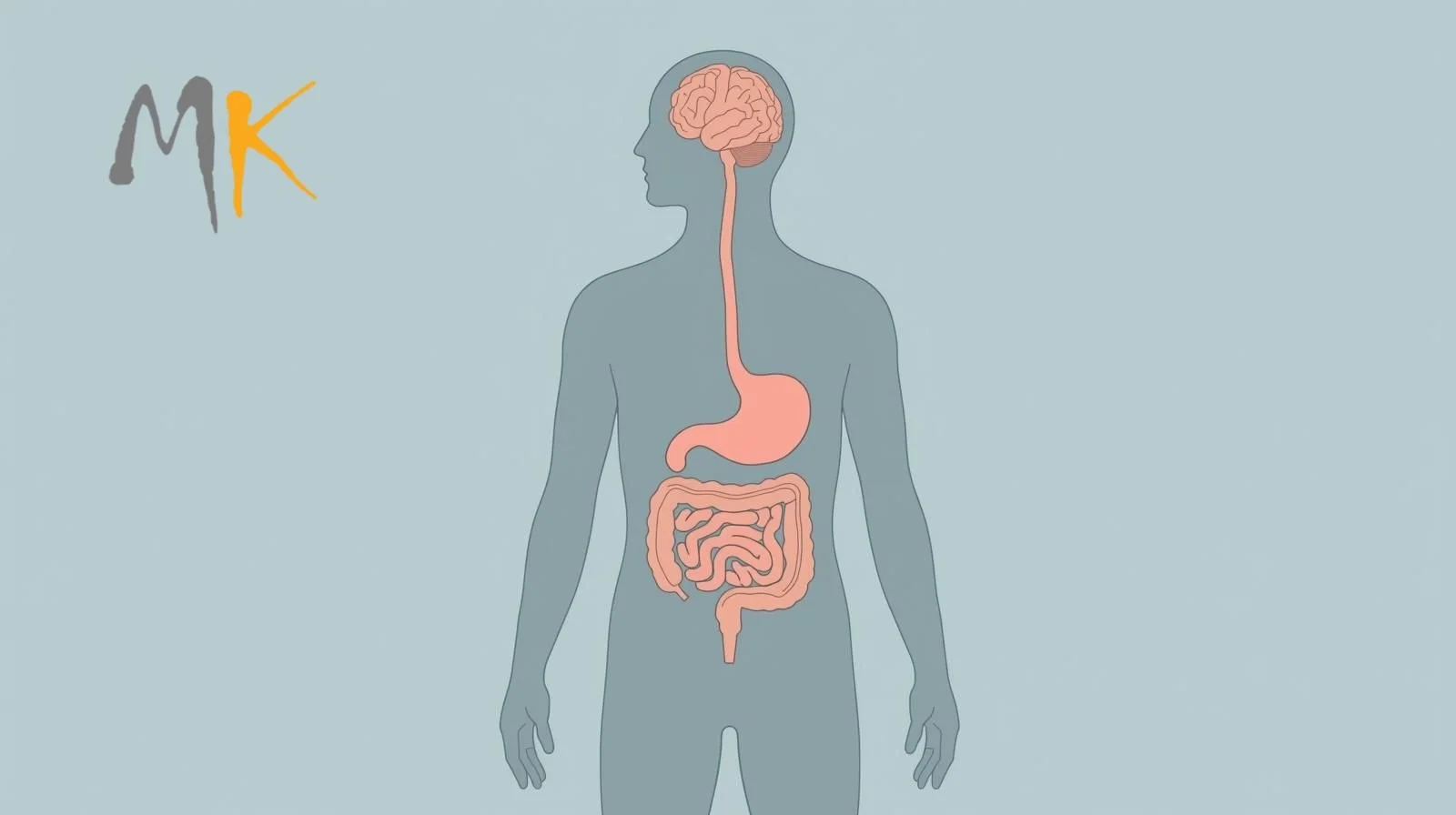
Stress signals increase
Anxiety can worsen
Focus and mental clarity drop
Mood becomes harder to regulate
This is why gut health and mental health are closely linked.
Fixing the gut often improves both.
Why Tests Can Look “Normal” but You Still Feel Unwell
Many people are told:
“Your blood work looks fine.”
But standard testing does not measure:
How well you digest food
Gut bacteria balance
Gut lining health
Stress-related digestive shutdown
Symptoms usually appear long before something shows up on routine tests.
Your body speaks first, labs catch up later.
The 3 Most Common Gut Problems
Most people don’t have just one gut issue.
They usually have a combination of these:
1. Poor Digestion
Low digestive enzymes or stomach acid lead to bloating, reflux, and nutrient deficiencies.
2. Gut Barrier Stress (Leaky Gut)
An irritated gut lining allows particles to trigger inflammation and immune reactions.
3. Imbalanced Gut Bacteria
Too much bad bacteria and not enough good bacteria leads to gas, bloating, cravings, and fatigue.
This is why random supplements often don’t work.
Why Probiotics Don’t Always Help
A very common frustration:
“I tried probiotics and nothing changed.”
This usually happens because:
Digestion isn’t supported first
The wrong probiotic strain was used
The gut environment isn’t ready
Gut healing works best when done in the right order.
How to Support Gut Health (Simple First Steps)
If you’re dealing with ongoing gut symptoms, these steps help most people:
Find the Right Probiotic
Not all probiotics do the same thing.
A symptom-based approach works best.
Use the Probiotic Finder to get guidance based on your symptoms.
Support Digestion
Digestive enzymes help break food down properly and reduce bloating and discomfort after meals.
Get Personal Guidance
If symptoms are chronic, a short conversation can help clarify whether food, stress, supplements, or deeper gut support is needed.
You can book a free discovery call to talk through next steps.
Bloating, fatigue, anxiety, brain fog, and skin issues are often gut health symptoms.
They are signals someting is off.
When you support digestion, the gut lining, and gut bacteria together, the body responds.
And you don’t have to guess your way through it.
Helpful Gut Health Resources
Educational purposes only. Not medical advice.
